Exosome Therapy for Skin Rejuvenation: What Tysons Professionals Should Know About This Next-Generation Regenerative Treatment
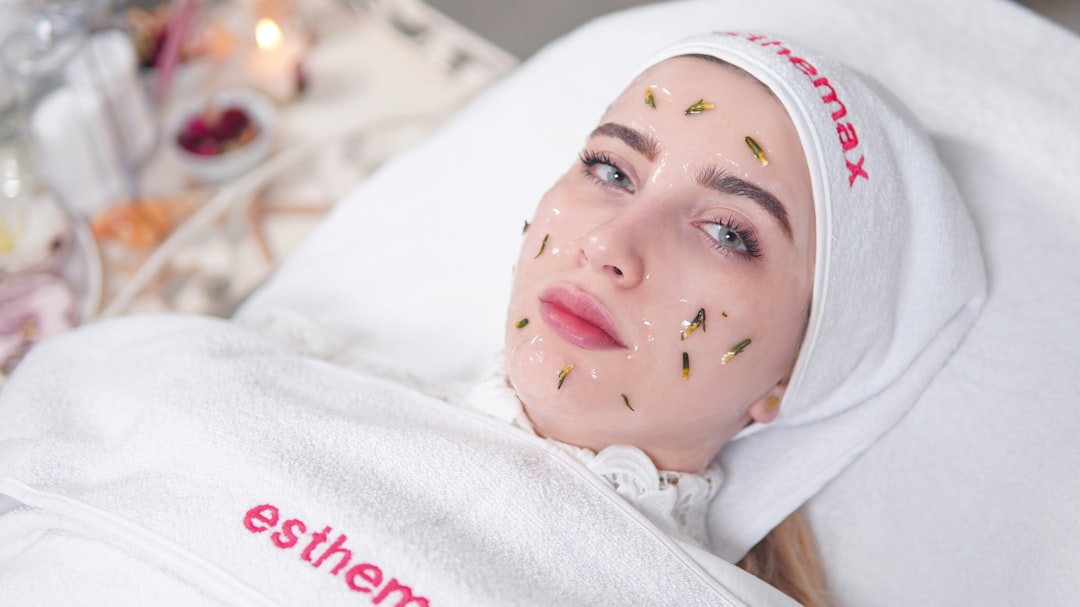
Spring in Northern Virginia has a way of making skin concerns more visible. After months of indoor air, temperature fluctuations, and a compromised barrier, many professionals arriving at consultations in late April are asking the same question: is there something that goes deeper than a treatment, something that genuinely supports how skin repairs itself? Exosome therapy is one of the more substantive answers to that question.
This is not a trend born of marketing. It is rooted in cell biology, and for the right candidate, it represents a meaningful step forward in how medical aesthetics addresses skin aging at a cellular level.
What Exosomes Are and Why They Matter for Skin
Exosomes are extracellular vesicles, nanoscale particles naturally secreted by cells throughout the body. They function as biological messengers, carrying proteins, lipids, and genetic information between cells to regulate repair, regeneration, and communication processes.
In the context of aesthetics, exosomes derived from stem cells are of particular clinical interest. When introduced into the skin, they may:
- Signal fibroblasts to increase collagen and elastin production
- Support the skin's natural healing and regenerative response
- Reduce the visible effects of oxidative stress and environmental damage
- Improve skin texture, tone, and hydration at a structural level
- Accelerate recovery when used in combination with procedural treatments
Unlike platelet-rich plasma, which relies on growth factors extracted from your own blood, exosome preparations are typically derived from laboratory-processed stem cell lines and standardized for concentration and potency. If you have explored PRP and PRF for skin rejuvenation, exosome therapy represents a logical next consideration in the regenerative treatment hierarchy.
Who Is an Appropriate Candidate for Exosome Therapy
Exosome therapy is not a universal solution, and part of what distinguishes a clinical practice from a volume-driven med spa is the ability to identify when this treatment genuinely serves a client's goals versus when another approach is better indicated.
Candidates who may benefit most include professionals who:
- Are in their late 30s through 60s and have begun to notice changes in skin density, texture, and recovery speed
- Have undergone laser resurfacing, microneedling, or radiofrequency procedures and want to optimize healing and amplify results
- Are experiencing dull, fatigued skin that has not responded fully to topical regimens or lighter treatments
- Prefer regenerative approaches that work with the skin's biology rather than augmenting it from the outside
- Want cumulative, progressive improvement rather than an immediate, dramatic result
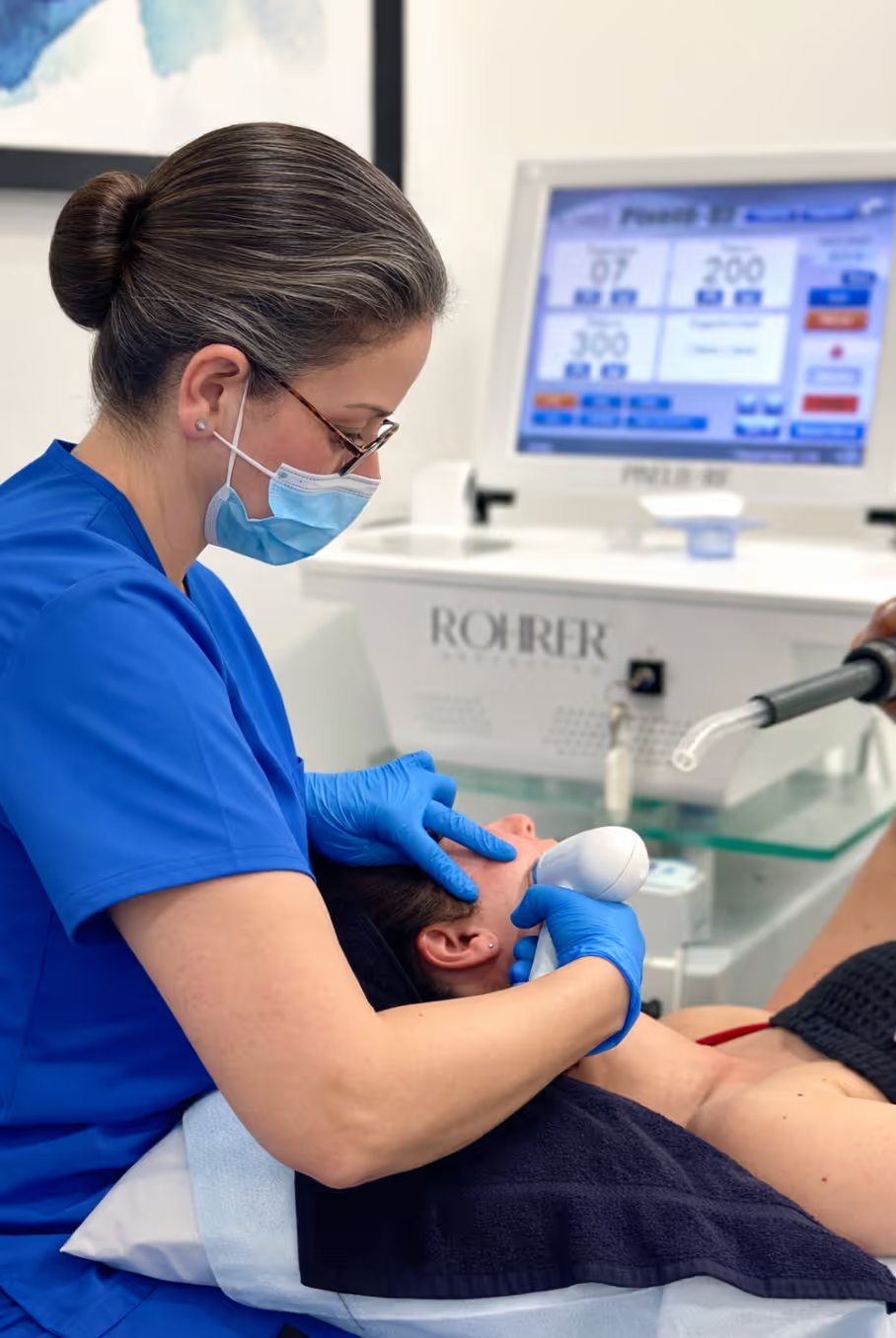
Exosome therapy is frequently used as a post-procedure enhancement. Applied following Pixel8-RF radiofrequency microneedling or CoolPeel Fractional Laser Resurfacing, it may support more efficient tissue repair and support longer-lasting results from the primary treatment.
What Exosome Therapy Is Not
Precision requires clarity about limitations as much as possibilities.
Exosome therapy is not a substitute for structural correction. It does not replace volume loss, reposition tissue, or address deep rhytids the way collagen stimulators or injectables do. Clients managing significant laxity may find that exosome therapy works best within a broader protocol that includes biostimulator treatments or skin remodeling approaches like Profhilo for comprehensive results.
It is also not an overnight intervention. Many clients experience improvements that build over four to eight weeks as the skin's regenerative processes respond to the signaling introduced by the exosomes. Results are real, but they are measured and cumulative. The Glow Refined philosophy is built precisely around this kind of considered, progressive improvement.
And while the research landscape for exosome therapy is advancing rapidly, it is still an evolving area of science. At Tysons Elite Esthetics, every treatment decision is grounded in what the current evidence supports, not what sounds compelling. That distinction matters.
Exosome Therapy at Tysons Elite Esthetics
The conversation around exosome therapy begins with a thorough consultation. For a professional in Tysons or McLean who is evaluating this treatment, the relevant questions are about candidacy, sequencing, and realistic expectations, not just whether the treatment exists.
Tysons Elite Esthetics is medically directed by Dr. Navin Singh, a triple board-certified plastic surgeon and Johns Hopkins-trained physician whose clinical oversight ensures that every regenerative protocol is evaluated and applied with surgical-level precision. That standard extends to newer modalities like exosome therapy, where the difference between appropriate and inappropriate application is meaningful.
Our Medical Estheticians hold the highest level of licensure in the Commonwealth of Virginia. When exosome therapy is incorporated into a treatment plan, it is done so deliberately, as part of a protocol designed around your skin's specific biology and long-term trajectory.
The practice is located at 7777 Leesburg Pike in Falls Church, steps from Tysons Corner, and serves clients from McLean, Great Falls, Vienna, and across the Northern Virginia and DC Metro corridor. This is a private, concierge-level environment where the emphasis is on precision, discretion, and results that speak for themselves.
If you are considering what a regenerative approach might mean for your skin this spring, we invite you to begin with a private consultation. The right protocol is the one designed for your skin, not a template applied to everyone who walks through the door.
Start your transformation
Schedule your consultation with our knowledgeable and friendly team.