Microneedling vs. Chemical Peels for Skin Texture and Tone: What Tysons Professionals Should Know Before Choosing

Professionals in Tysons Corner and McLean who research skin texture treatments quickly encounter two dominant options: microneedling and chemical peels. Both are medical-grade resurfacing modalities. Both can improve tone, texture, and luminosity. Yet they work through entirely different mechanisms, suit different skin types and concerns, and demand different commitments in terms of downtime and treatment frequency.
The question is not which treatment is superior. The question is which treatment serves your skin's architecture, your professional schedule, and your aesthetic objectives. That requires understanding what each modality actually does beneath the surface.
How Microneedling and Chemical Peels Work: Mechanism Matters
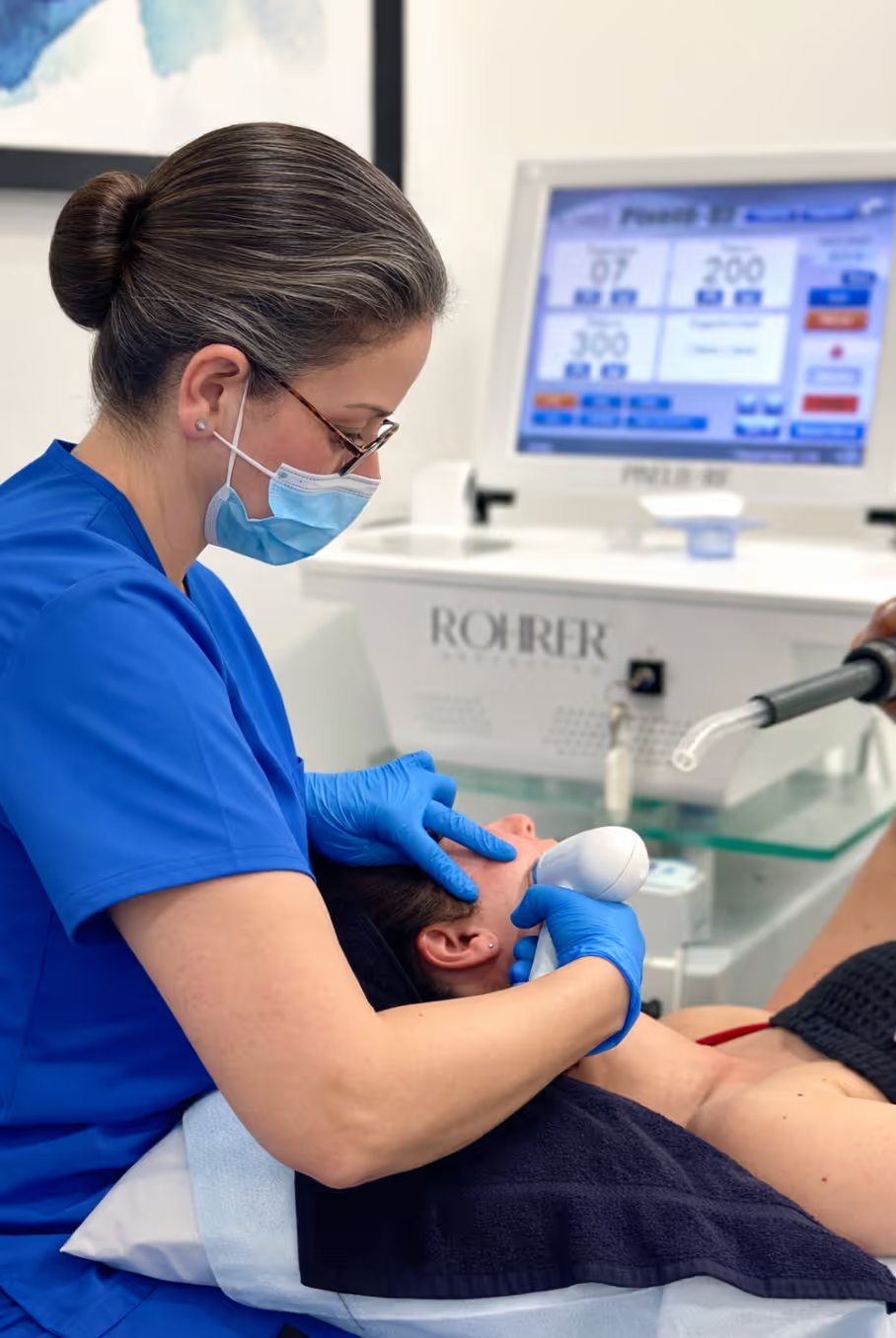
Microneedling creates controlled micro-injuries in the dermis using fine, sterile needles. This triggers the body's wound-healing cascade, stimulating collagen and elastin production over weeks and months. The result is gradual improvement in texture, pore size, and mild scarring. When combined with radiofrequency energy, as in Pixel8-RF radiofrequency microneedling, the treatment can also tighten skin and address laxity.
Chemical peels, by contrast, use acid formulations to exfoliate damaged or pigmented skin layers. Depending on depth, peels can address superficial discoloration, sun damage, melasma, and fine lines. Lighter peels work at the epidermal level. Medium-depth peels penetrate into the upper dermis. The Vi Peel Precision Plus, for example, combines trichloroacetic acid (TCA), retinoic acid, salicylic acid, and vitamin C to target pigment and texture simultaneously.
Both modalities are proven. Both require medical oversight. But their pathways to improvement are fundamentally different.
- Microneedling: Stimulates collagen remodeling through controlled injury. Progressive results over multiple sessions. Ideal for texture, scarring, and skin tightening.
- Chemical peels: Remove damaged skin layers through chemical exfoliation. More immediate visible improvement. Ideal for pigmentation, sun damage, and surface texture.
Choosing Based on Skin Concerns and Goals
If your primary concern is textural irregularity, acne scarring, or enlarged pores, microneedling may offer superior collagen stimulation. The treatment addresses foundational skin architecture, not just surface appearance. Many clients see gradual refinement over three to six sessions, spaced four to six weeks apart.
If your concern is hyperpigmentation, melasma, sun damage, or uneven tone, a chemical peel can deliver more direct correction. Peels lift away pigmented cells and accelerate turnover, revealing clearer skin beneath. Results can be visible within one to two weeks post-peel, though deeper peels may require more recovery time.
Some clients benefit from both modalities in sequence. A series of chemical peels can address surface pigmentation, followed by radiofrequency microneedling to tighten and refine texture. This layered approach is common among clients in their 40s and 50s managing both photoaging and structural changes.
- Best for texture and scarring: Microneedling, especially radiofrequency-enhanced treatments like Pixel8-RF
- Best for pigmentation and tone: Chemical peels, particularly medium-depth formulations
- Best for both: Sequenced treatment plans designed around your skin's response and your schedule
Downtime, Skin Type, and Professional Scheduling
Downtime tolerance often determines treatment choice for professionals in Tysons and McLean. Microneedling typically involves mild redness and slight swelling for 24 to 48 hours. Most clients can return to work the next day with mineral makeup. Some skin types experience prolonged pinkness, particularly those with sensitive or reactive skin.
Chemical peels vary widely in downtime depending on depth. Superficial peels may cause light flaking for three to five days. Medium-depth peels can result in visible peeling for five to seven days, sometimes longer. If you have an event or presentation scheduled, timing matters. Many clients schedule peels on a Thursday or Friday to allow weekend recovery before returning to the office.
Skin type also plays a role. Darker skin tones (Fitzpatrick IV-VI) carry higher risk of post-inflammatory hyperpigmentation with certain peels, particularly deeper formulations. Microneedling, when performed correctly with appropriate depth and post-care, is generally safer across a broader range of skin tones. This is why medical oversight and individualized treatment planning are essential, not optional.
- Microneedling downtime: 24 to 48 hours of redness, minimal peeling, usually work-appropriate the next day
- Chemical peel downtime: 3 to 7 days of visible peeling depending on depth, plan around social and professional commitments
- Skin type considerations: Darker skin tones may tolerate microneedling better than medium-depth peels, but both require careful protocol selection
Why Tysons Elite Esthetics Customizes Every Resurfacing Protocol
At Tysons Elite Esthetics, we do not offer one-size-fits-all resurfacing. Our clinical team evaluates your skin type, concern profile, medical history, and aesthetic goals before recommending microneedling, chemical peels, or a combination approach. Dr. Navin Singh, our triple board-certified medical director and Johns Hopkins graduate, oversees every treatment protocol to ensure safety and efficacy.
Our Medical Estheticians hold Virginia's Master Esthetician designation, which requires advanced training in chemical resurfacing and medical-grade skin treatments. This level of clinical expertise allows us to tailor depth, formulation, and technique to your skin's unique needs, minimizing risk and maximizing outcome quality.
We also offer advanced modalities that combine the benefits of both approaches. Pixel8-RF radiofrequency microneedling delivers microneedling with simultaneous radiofrequency energy to tighten and remodel tissue. For clients seeking deeper resurfacing with precision control, our CoolPeel Fractional Laser Resurfacing treatments offer ablative correction for sun damage, scarring, and significant texture concerns.
Tysons Elite Esthetics serves discerning professionals in Tysons Corner, McLean, Great Falls, and Vienna who expect clinical rigor, not sales pressure. We are located at 7777 Leesburg Pike in Falls Church, near Tysons Galleria and the Greensboro Silver Line Metro station. Our practice is built around the "Glow Refined" philosophy: subtle, high-impact enhancements that honor your natural architecture.
If you are evaluating microneedling, chemical peels, or other resurfacing options, we invite you to schedule a private consultation. We will assess your skin, discuss your goals, and design a treatment plan grounded in clinical evidence and surgical-level precision.
Contact Tysons Elite Esthetics to begin your personalized resurfacing consultation.
Start your transformation
Schedule your consultation with our knowledgeable and friendly team.