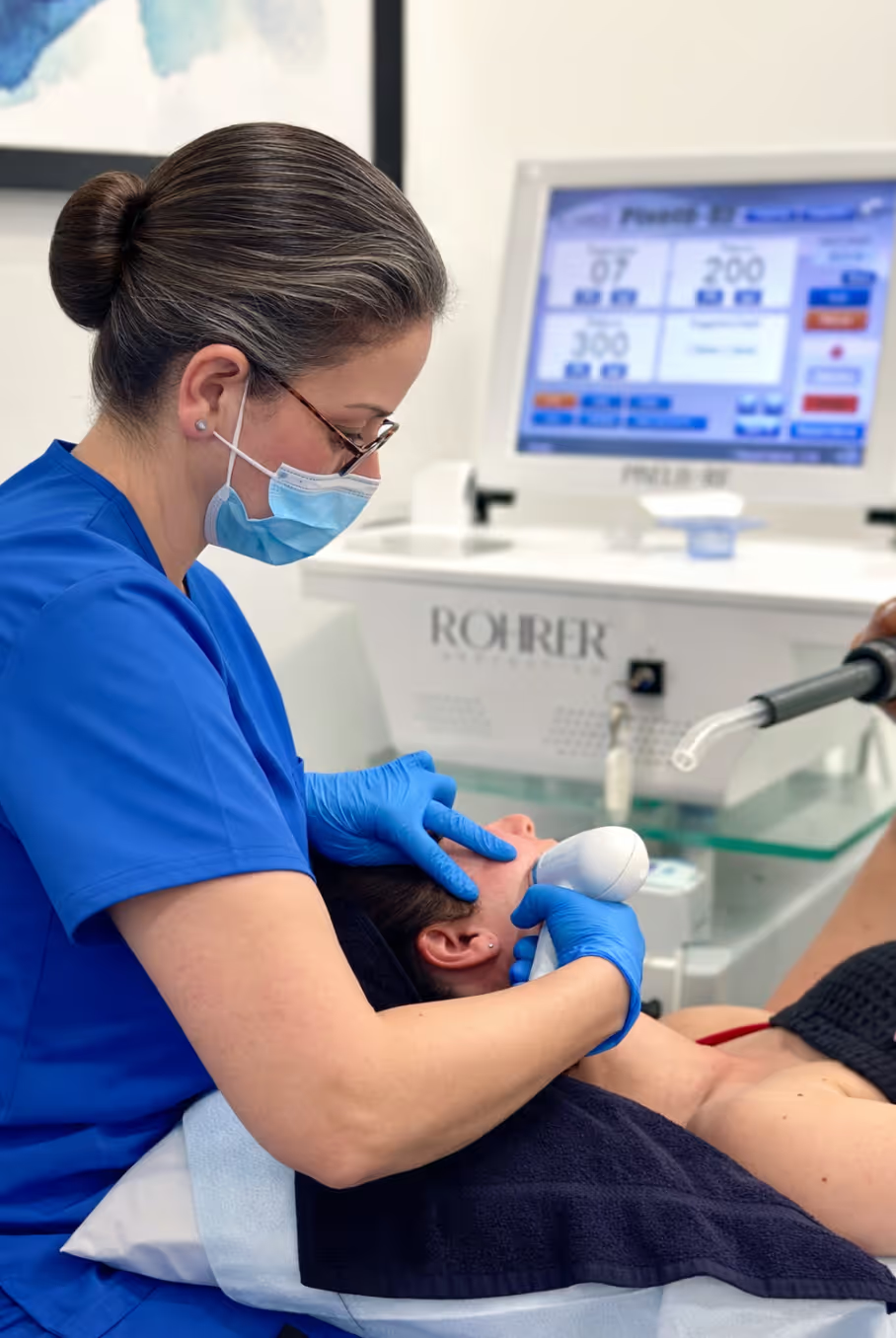
Pixel8-RF After 50: Does Skin Type Change Your Results?
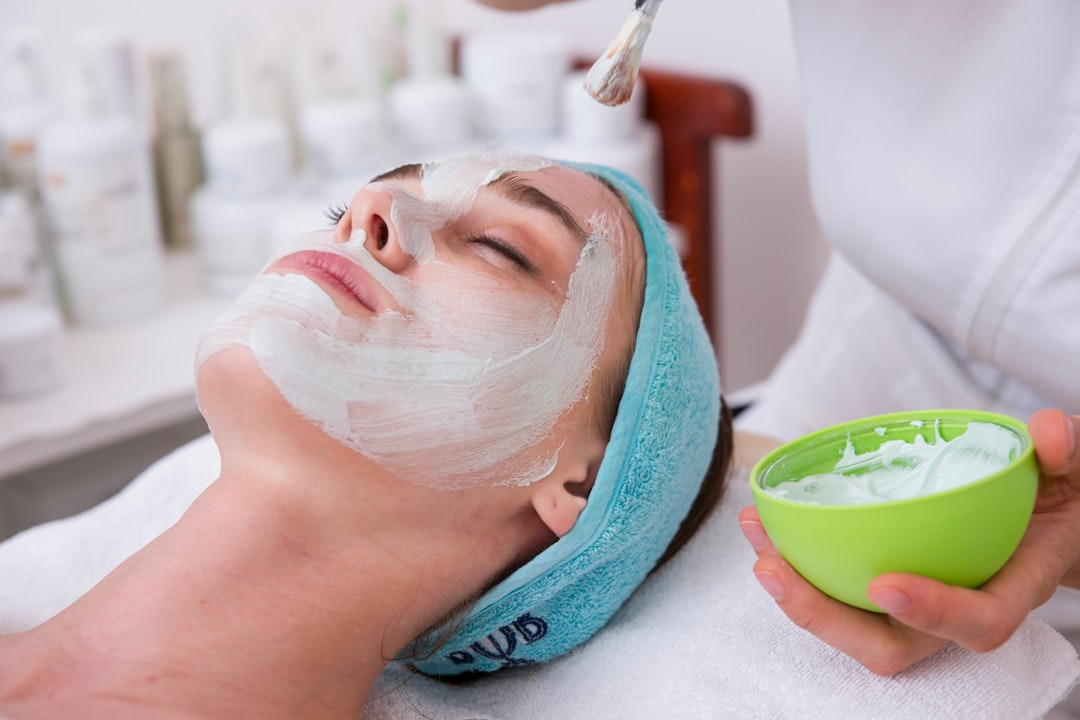
There's a question that comes up often in consultations at Tysons Elite Esthetics, usually from someone who has done their research, compared notes with a friend, and is still not quite sure whether their experience will look anything like what they've read about. The question is some version of this: "Will this work the same way for my skin?" It's a smart question. And when it comes to Pixel8-RF radiofrequency microneedling, the honest answer is that skin type genuinely matters — not in a way that disqualifies most people, but in a way that shapes how we approach the treatment, what settings we use, and what kind of results you can realistically expect over a series of sessions.
What Pixel8-RF Actually Does to the Skin
Before getting into how skin type changes the equation, it helps to understand what the treatment is doing in the first place. Pixel8-RF combines two forms of energy: the mechanical stimulation of microneedling and the thermal energy of radiofrequency delivered directly through the needle tips. The needles create micro-injuries in the skin, which trigger the body's wound-healing response and stimulate collagen production. The radiofrequency energy heats the deeper dermal and subdermal layers, causing immediate tissue contraction and prompting a longer-term remodeling response that continues for months after each session. The combination produces something that standard microneedling alone cannot: genuine structural tightening, not just surface-level texture improvement.
For patients over 50, this distinction is particularly meaningful. Skin in this stage of life has already lost a significant percentage of its collagen and elastin density. The scaffolding that once kept the face lifted and firm has thinned. What that means for treatment is that the goal isn't simply refinement — it's rebuilding. Pixel8-RF's ability to target the deeper dermis makes it one of the more effective non-surgical tools available for that kind of structural work, which is why it's a treatment our team returns to again and again for patients in their 50s, 60s, and beyond. That said, not every skin behaves identically under the device, and the differences are worth understanding.
Fitzpatrick Scale Basics — and Why It Matters After 50
The most clinically relevant way to think about how skin type affects RF microneedling results is through the Fitzpatrick scale, which classifies skin from Type I (very fair, always burns, never tans) through Type VI (deeply pigmented, never burns). The scale matters because lighter and darker skin tones respond differently to energy-based treatments — particularly to the heat component of radiofrequency.
For patients with Fitzpatrick Types I through III — the lighter end of the spectrum — Pixel8-RF is generally very well tolerated. These skin tones carry a lower risk of post-inflammatory hyperpigmentation (PIH), which is the temporary or sometimes lasting darkening that can occur when melanin-producing cells are disrupted by heat. The main considerations for this group are sun sensitivity and the need for consistent sun protection before and after treatment. After 50, lighter skin types also tend to have more accumulated UV damage — sun damage that sometimes doesn't fully show up until years after initial exposure — which means the texture and pigmentation concerns the treatment addresses may be more pronounced, and results can be quite striking across a series of sessions.
For patients with Fitzpatrick Types IV through VI — medium to deeper tones — the calculus is more nuanced, but Pixel8-RF remains an excellent option when managed thoughtfully. The key clinical advantage here is that Pixel8-RF delivers radiofrequency energy subdermally through insulated needles, meaning the heat bypasses the epidermis (where melanocytes live) rather than being absorbed at the skin's surface. This is a meaningful distinction from ablative laser treatments, which deposit energy at the surface and carry a much higher risk for patients with deeper pigmentation. With RF microneedling, the primary thermal effect happens below the level of the melanocytes, which significantly reduces — though does not entirely eliminate — the risk of PIH. Our team adjusts needle depth, energy settings, and spacing to further minimize that risk, and we discuss pre-treatment skincare protocols that prepare the skin before any session begins.
Skin Thickness, Laxity Degree, and How They Shape Outcomes
Beyond pigment, there are two additional variables that change what Pixel8-RF can do after 50: baseline skin thickness and the degree of laxity present.
Skin thickness is partly genetic and partly the cumulative result of sun exposure, hormonal changes (particularly the estrogen decline that accelerates collagen loss around menopause), and lifestyle. Thicker skin tends to respond robustly to RF microneedling — the collagen-building response is strong, and results often appear more dramatically. Thinner, more fragile skin requires a more conservative approach: lower energy settings, careful attention to spacing, and a patient series-based plan that builds progressively rather than trying to accomplish everything in one aggressive session. Neither scenario disqualifies a patient from treatment. It simply means the plan looks different.
Degree of laxity is the other significant variable. Pixel8-RF is excellent for mild to moderate skin laxity — the kind of early jowling, softening jawline definition, and general loss of firmness that most people start noticing in their 50s. For patients with significant structural laxity — substantial jowling, deep tissue descent — RF microneedling is often most effective as part of a combination approach. Our team regularly discusses how treatments like biostimulators, neuromodulators, or even deeper energy devices with longer recovery windows might stack alongside Pixel8-RF to address different layers of the aging picture simultaneously. If you want to understand how that kind of stacked approach is structured, the piece we've written on combining RF microneedling with biostimulators and neuromodulators walks through the logic in detail.
Skin Conditions That Require an Honest Conversation
Two conditions that come up frequently in this age group deserve specific mention: rosacea and active acne or sebaceous hyperplasia (enlarged oil glands that become more visible with age).
Rosacea — characterized by chronic redness, visible vessels, and sensitivity — doesn't automatically disqualify a patient from Pixel8-RF, but it does require an upfront clinical conversation. The heat component of RF microneedling can temporarily exacerbate redness and sensitivity in rosacea-prone skin, and treatment timing, settings, and post-care need to be adjusted accordingly. For some patients with rosacea, we sequence RF microneedling with complementary treatments that specifically address vascular concerns. For others, the treatment is fully appropriate as-is with modified protocols.
Active acne and sebaceous hyperplasia are different. Active breakouts at the time of treatment are a temporary contraindication — we don't treat over active inflammatory lesions, both to protect the skin and to prevent any risk of spreading bacteria deeper into the tissue. But RF microneedling can actually be beneficial long-term for sebaceous activity and enlarged pores, and once the skin is clear, many patients in this age group find it one of the more effective tools for pore refinement alongside collagen rebuilding. For patients also managing post-acne scarring, the overlap with RF microneedling's mechanisms makes it particularly well-suited — a dynamic we also discuss in our overview of acne scar treatment options in Tysons.
What About Stretch Marks and Body Skin?
The conversation about skin type and RF microneedling often stays focused on the face, but it's worth noting that Pixel8-RF is also used effectively for body applications — including stretch marks, a concern that doesn't disappear after 50 and often becomes more visible as skin loses density and the marks themselves become more textured. RF microneedling for stretch marks works through the same mechanism as facial treatment: thermal energy and controlled injury stimulate collagen in the dermal layer, which gradually fills and softens the appearance of stretch marks from below. Results vary based on the age of the marks, their depth, and the skin type of the patient — all of which we assess during a consultation. Patients with darker skin tones, in particular, benefit from RF microneedling's subepidermal delivery when treating stretch marks, since surface-based laser options carry higher pigmentation risk on body skin.
The body context is also relevant for patients managing loose skin after significant weight loss or changes in body composition — a concern our team is seeing more frequently now as GLP-1 medications become more widely used and patients experience rapid changes in volume. The mechanisms that make Pixel8-RF effective for stretch marks overlap with its utility for non-surgical tightening of sagging skin on the arms and other body areas where tissue has lost structural support.
What the Consultation Process Looks Like
At Tysons Elite Esthetics, no one receives a Pixel8-RF treatment without a thorough consultation first. The team — which brings more than 70 years of combined experience in medical aesthetics — approaches this the way any genuinely experienced clinician does: by taking a full skin history, assessing the current state of the tissue, discussing realistic timelines and expectations, and building a plan that accounts for who you are, not just what you want to address.
That means reviewing your Fitzpatrick type and whether you have any history of hyperpigmentation responses after energy treatments. It means assessing whether your skin laxity is best addressed by Pixel8-RF alone or as part of a broader plan. It means asking about medications, recent sun exposure, active skin conditions, and your personal recovery tolerance — particularly relevant for patients who have demanding professional schedules and can't afford significant visible downtime. And it means being honest about what RF microneedling can and cannot accomplish on its own, and where it fits within a longer-term skin health strategy.
For patients who are new to RF microneedling entirely, our overview of what to expect from Pixel8-RF for skin laxity covers the process from first session through recovery in plain language. For those comparing it to other energy devices, the comparison between Morpheus8 and traditional microneedling for sagging skin after 50 is also worth reading before you decide.
The short answer to whether skin type changes your results is: yes, meaningfully — and that's precisely why the consultation matters as much as the treatment itself.
Start your transformation
Schedule your consultation with our knowledgeable and friendly team.