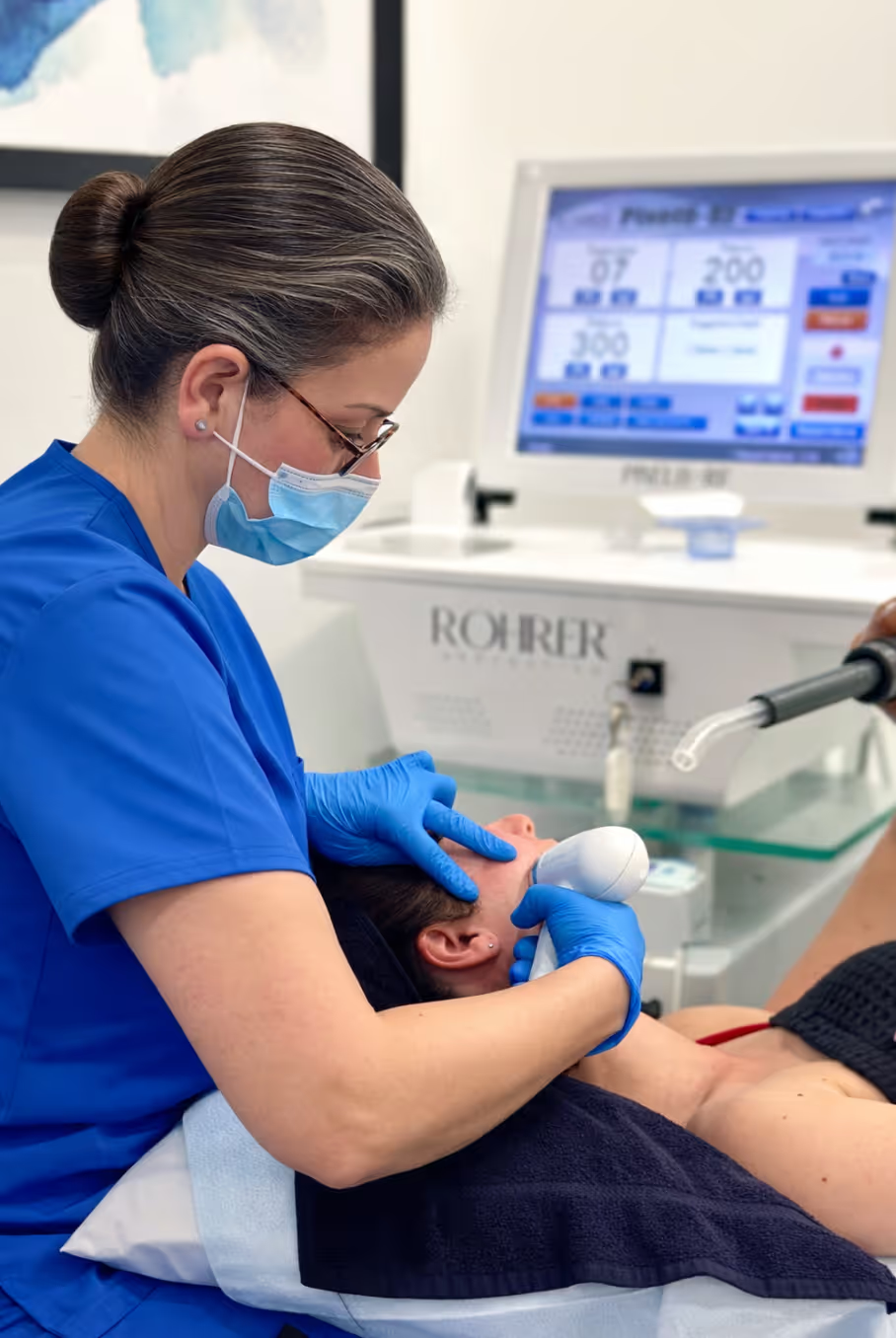
Exosomes After Pixel8-RF: Does Pairing Them Amplify Results?
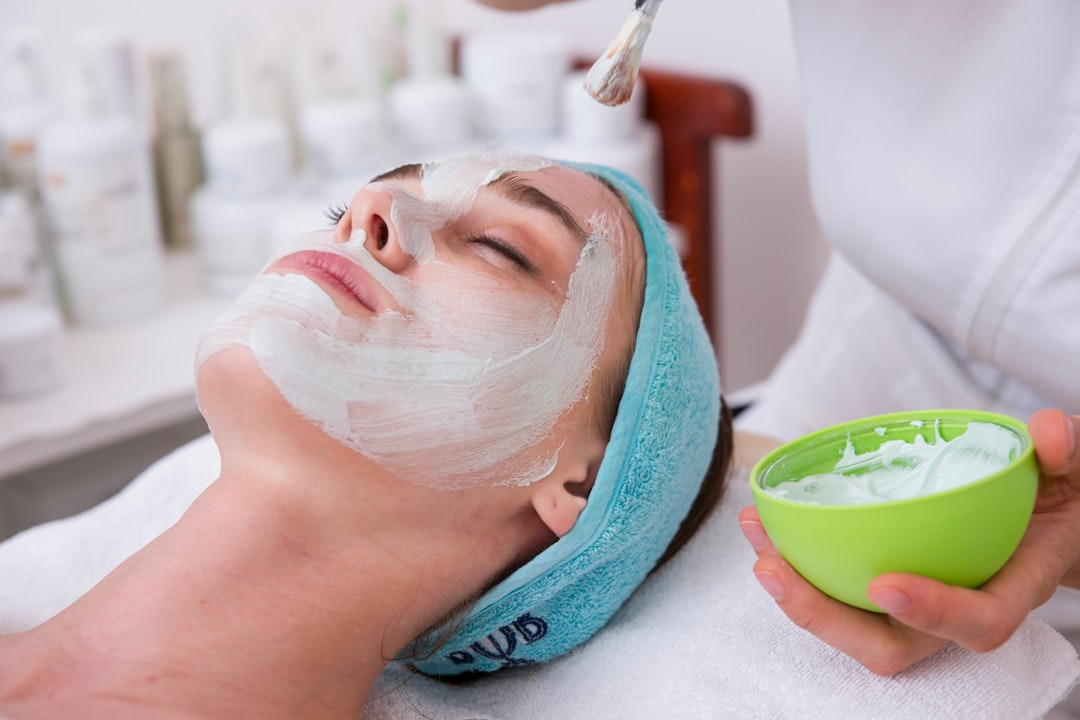
Every few months, a longtime client sits down in our consultation room and asks some version of the same question: "I've heard about adding exosomes to my Pixel8-RF appointment — is that actually going to change my results, or is it just an upsell?" It's a fair question, and it deserves a real answer rather than a sales pitch.
We've been offering Pixel8-RF radiofrequency microneedling to Tysons, McLean, and Vienna patients for years now, and we understand its healing stages intimately — the initial redness, the fine pinpoint marks, the tightening that unfolds over the following weeks. What we've watched more recently is how introducing exosome therapy immediately after treatment interacts with that recovery window, and the pattern is consistent enough that we now recommend it for the right candidates.
Here's the science in plain terms. RF microneedling creates thousands of controlled micro-channels in the dermis, triggering your body's own wound-healing cascade — inflammation, then collagen and elastin remodeling over the following 8 to 12 weeks. Those same micro-channels that make RF microneedling effective also happen to be the ideal delivery mechanism for topically applied exosomes. As the only med spa in Northern Virginia authorized to use Human Progenitor-Derived Exosomes, we're able to apply this regenerative signaling directly into freshly opened channels, when skin is most receptive to cellular communication. The exosomes don't replace the collagen-building work RF microneedling is already doing — they accelerate and amplify it by delivering growth factors and signaling proteins precisely where your skin is actively rebuilding.
**What This Changes About RF Microneedling Recovery Time**
Patients frequently ask us to be specific about rf microneedling recovery time, and pairing exosomes does shift the timeline in a few measurable ways. Redness in the first 24 to 48 hours tends to calm faster because exosomes carry anti-inflammatory signaling alongside their regenerative properties. Many patients report the "sandpaper" texture phase — typically days 3 through 5 — feels shorter and less pronounced. The deeper remodeling phase, where you'd normally wait 6 to 8 weeks to see meaningful tightening, often shows earlier visible improvement, sometimes within 3 to 4 weeks.
To be clear about expectations: exosomes are not a shortcut around the biological healing stages themselves. Your skin still needs to move through inflammation, proliferation, and remodeling — that process cannot be skipped. What changes is the efficiency and quality of that process, not the sequence.
**Understanding the RF Microneedling Healing Stages With and Without Exosomes**
For patients newer to this treatment, it helps to walk through the standard rf microneedling healing stages before comparing what exosomes add at each one.
Days 1–2 (Inflammatory Phase): Skin appears flushed, feels warm and tight, sometimes with mild swelling. Exosomes applied here support faster calming of this initial response, which many of our clients — particularly those balancing demanding careers and can't afford to look visibly "treated" for long — find especially valuable.
Days 3–5 (Early Proliferative Phase): Fine texture changes appear as the skin begins repairing the micro-injury. This is where exosome-treated skin tends to show smoother texture progression, since growth factors are already present and active in the healing tissue.
Weeks 2–6 (Collagen Remodeling): This is the phase where RF microneedling earns its reputation for tightening and texture refinement. With exosomes introduced at the outset, patients often see this remodeling phase produce more visible firmness and radiance, since the regenerative signaling was delivered at peak tissue receptivity rather than added later.
Weeks 6–12 (Continued Maturation): Collagen continues organizing and strengthening. Results from the exosome pairing tend to compound here, which is part of why we see patients who combine both treatments reporting results that feel more dramatic at the three-month mark than RF microneedling alone typically produces.
If you're weighing this decision, it's worth reading how we think about RF microneedling downtime realistically plays out for busy professionals, since the honest recovery expectations there apply here too — exosomes improve the experience, but they don't erase the need to plan your calendar around a few quieter days.
We also think sequencing across a broader treatment plan matters. If you're already exploring how RF microneedling fits alongside other treatments, our team has written about how to sequence microneedling against other resurfacing treatments and when it's safe to stack microneedling with neuromodulator appointments — both relevant if you're building a fuller rejuvenation calendar rather than a single isolated visit.
What we won't tell you is that this pairing is right for everyone. Patients with very sensitive or reactive skin, or those recovering from recent sun exposure, sometimes do better starting with RF microneedling alone before introducing additional regenerative layers. This is exactly the kind of decision that benefits from an in-person consultation with our team — after 70-plus combined years in medical aesthetics, we've learned that the "more is better" instinct doesn't always serve the patient, and we'd rather tell you honestly when a simpler plan makes more sense.
If you're curious whether this combination fits your skin, your calendar, and your goals, we'd welcome the conversation. It's the kind of detail-level planning we think you deserve before committing your time and trust to any treatment.
Start your transformation
Schedule your consultation with our knowledgeable and friendly team.