Exosomes or RF Microneedling: Which Comes First?
We hear this question almost every week in consultations: should exosomes come before RF microneedling, or after? It's a fair question, and honestly, one of the more nuanced ones we field. The short answer is that it depends on your skin's current state, your goals, and your timeline — but the longer answer is worth understanding before you book either treatment.
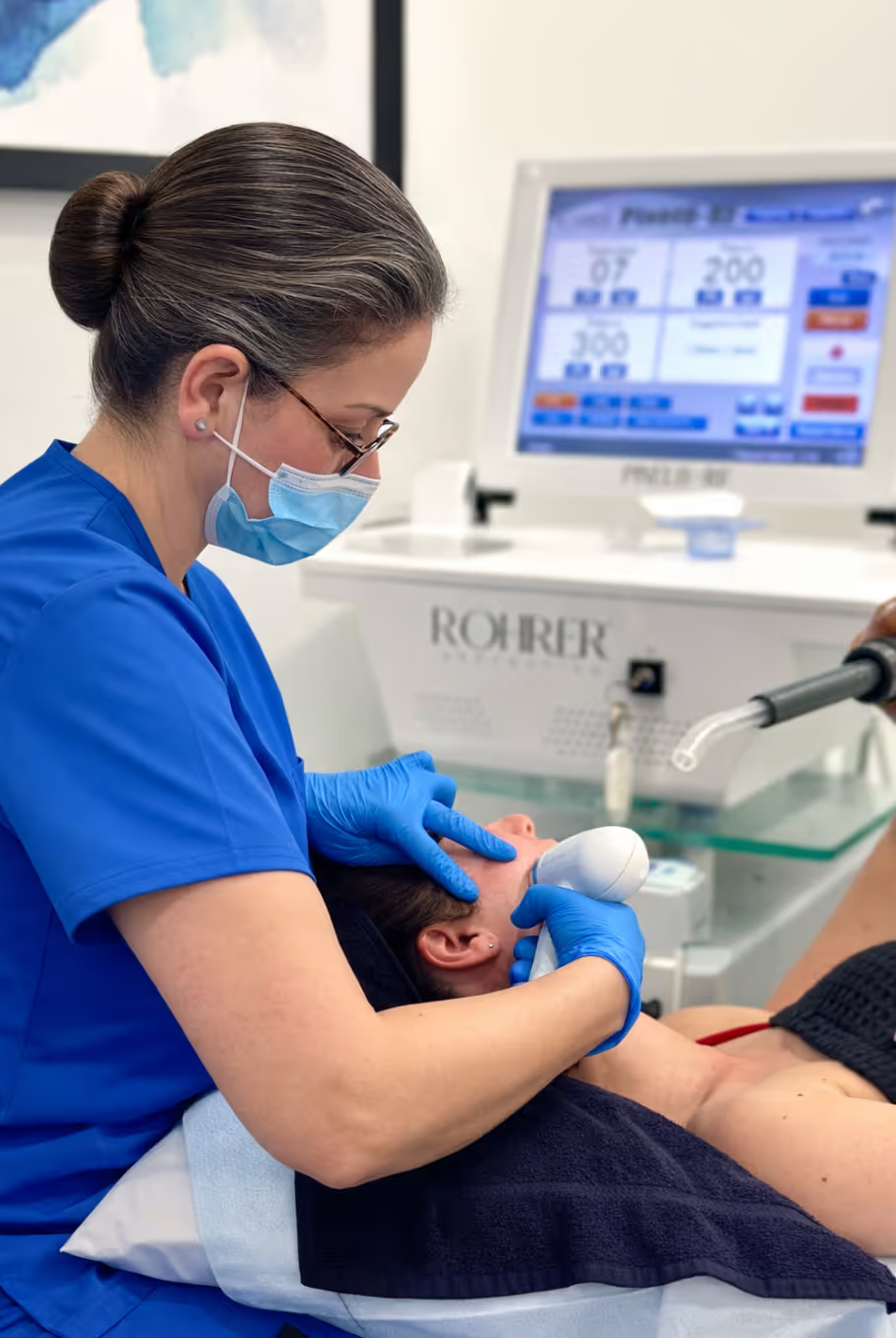
RF microneedling creates thousands of micro-channels in the skin using controlled radiofrequency energy to stimulate collagen production at a deeper level than needling alone can reach. Our team uses Pixel8-RF, a radiofrequency microneedling device selected for its precision and consistency — if you've been searching "virtue rf microneedling near me," you're likely comparing RF microneedling platforms generally, and Pixel8-RF belongs in that same conversation as one of the more advanced options available in Northern Virginia. What RF microneedling does exceptionally well is remodel tissue and tighten lax skin. What it does not do is deliver regenerative signaling molecules — that's where exosomes come in.
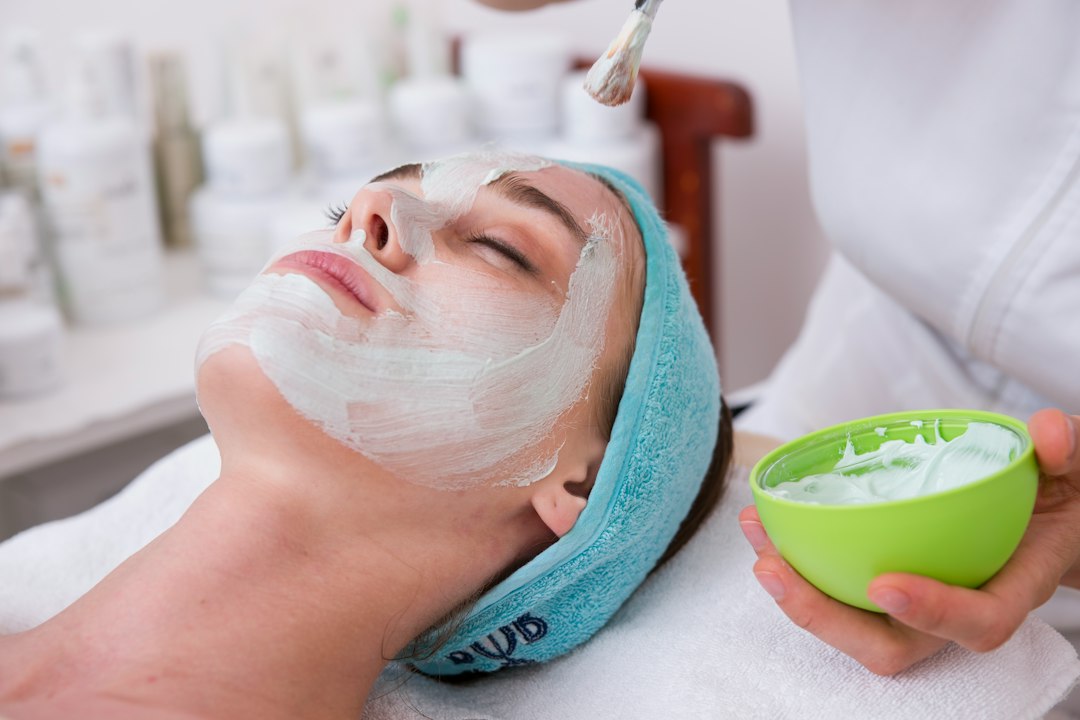
Human Progenitor-Derived Exosomes carry growth factors and signaling proteins that tell skin cells how to repair and regenerate. Tysons Elite Esthetics is the only med spa in Northern Virginia authorized to offer this specific exosome formulation, and it's precisely this exclusivity that gives us flexibility most practices don't have when it comes to sequencing. Exosome application immediately following RF microneedling is often the ideal pairing — the micro-channels created during treatment allow exosomes to penetrate far deeper than they would on intact skin, essentially using the RF session as a delivery mechanism for regenerative repair.
But there are cases where we recommend exosomes first, as a standalone treatment, to calm and prime compromised skin before introducing the controlled trauma of RF energy. Patients with active barrier dysfunction, recent sun damage, or very reactive skin sometimes benefit from a few weeks of exosome-driven repair before we move into RF microneedling. We've written in more detail about this decision process in our piece on sequencing exosomes with filler, and the same clinical logic applies here: start with what your skin needs most urgently, not what sounds more exciting.
As for how long RF microneedling results last — most of our patients see collagen remodeling benefits persist for nine to twelve months following a completed series, though this varies based on skin type, age, and lifestyle factors we cover in this related article. Pairing RF microneedling with exosomes tends to extend and deepen those results rather than simply adding a separate benefit on top — the two work synergistically rather than independently, which is part of why we rarely recommend one without eventually considering the other. We go deeper into the timing mechanics in this piece on exosomes after Pixel8-RF, including why the window immediately post-treatment matters so much.
If you're searching for an "exosomes treatment near me" and want a team that will actually walk you through sequencing rather than defaulting to whichever service is easiest to book, that conversation is exactly what our consultations are built for. With 70+ years of combined experience across our team, we've seen enough skin respond to both protocols to know that the order matters — sometimes as much as the treatments themselves. Maintenance timing matters too, which we address in our guide to Pixel8-RF maintenance intervals, and if you're planning treatments around upcoming events, this article on microneedling's treatment window is worth a read before you schedule.
Every plan we build starts with an honest look at your skin, not a default protocol. If you're trying to decide where to start, let's have that conversation together.
Start your transformation
Schedule your consultation with our knowledgeable and friendly team.