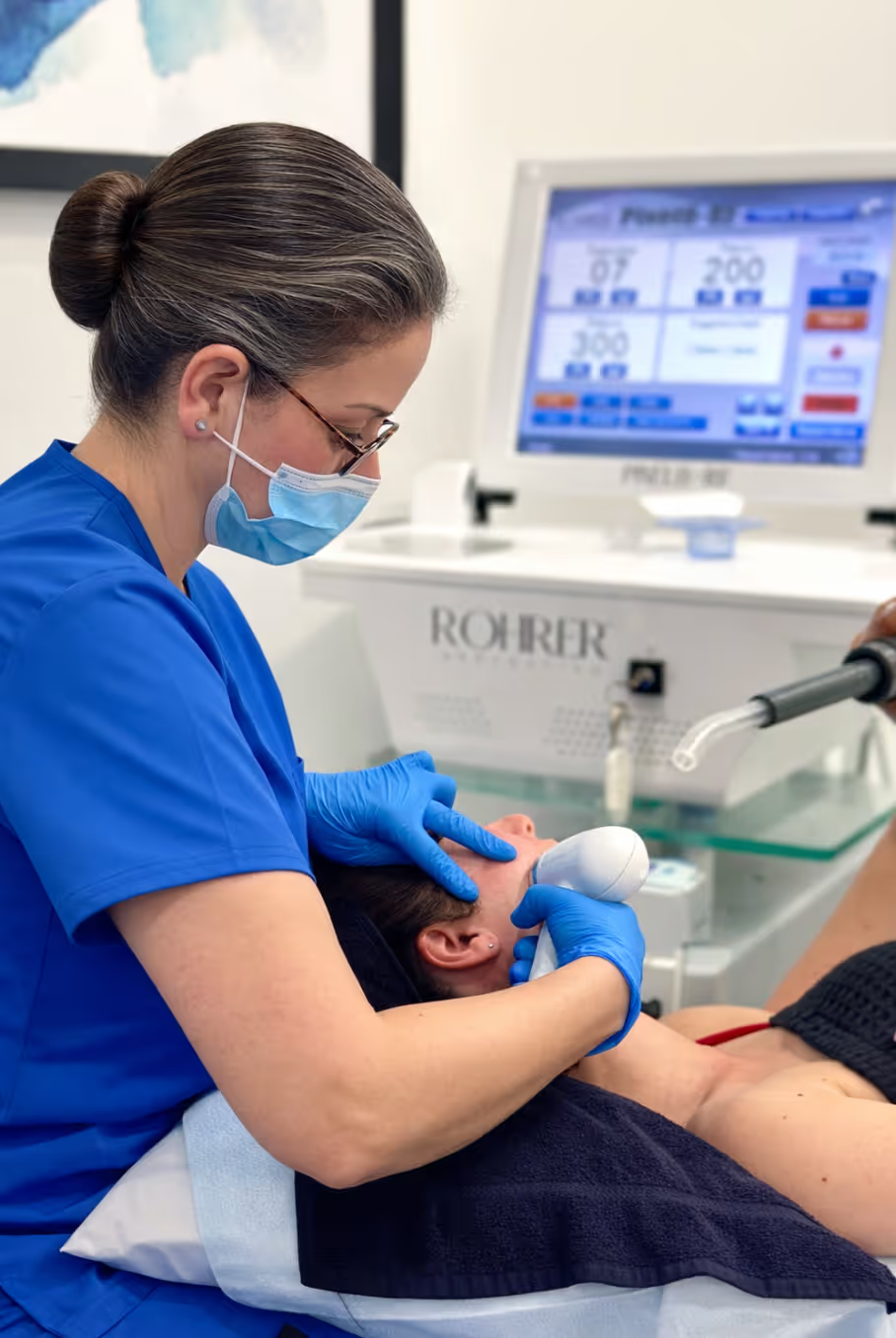
Pixel8-RF Results Fade Faster When You Skip This Step
We hear a version of the same conversation almost every month: a client comes in for their annual check-in, mentions their Pixel8-RF results "didn't last as long this time," and asks whether the device has changed or their skin has simply stopped responding. Almost never is it the device. Almost always, it's what happened — or didn't happen — in the six to eight weeks immediately following treatment, when the skin is doing the real work of rebuilding collagen and elastin from the inside out.
Here's what's actually happening under the surface. Pixel8-RF delivers radiofrequency energy through microneedles to create controlled thermal injury deep in the dermis. That injury triggers your body's wound-healing response, which is where the collagen remodeling comes from — but that process unfolds gradually over weeks, not in the treatment room. During that window, your skin is unusually receptive to what you put on it and unusually vulnerable to what you expose it to. Skip diligent SPF, resume retinoids too early, or go straight back into unprotected sun and heat, and you're not just slowing the process — you're actively working against the collagen your skin is trying to lay down. That's the step almost everyone underestimates, and it's the single biggest reason we see results plateau early instead of building over three to six months the way they should.
The team has watched this pattern for years, which is part of why we build a structured aftercare protocol into every Pixel8-RF plan rather than sending clients home with a printed sheet. For many of our clients, that includes layering in exosome therapy after Pixel8-RF to accelerate and extend the regenerative response, along with specific guidance on when it's safe to reintroduce actives, how to manage sun exposure through Northern Virginia's humid stretches, and what your skin should look and feel like at each stage of healing. If you've had the treatment before and noticed this round felt different, it's also worth considering how your skin type and age are shifting your healing timeline — something we cover in more depth in Pixel8-RF After 50: Does Skin Type Change Your Results?.
Maintenance matters just as much between series. Collagen remodeling isn't a permanent switch you flip once — it's a process that benefits from reinforcement, and clients who pair professional treatments with the right at-home support and periodic touch-ups consistently hold their results longer than those who treat one series as a finish line. We talk through exactly what that looks like in Sagging Skin Between Treatments: Maintenance That Actually Works, and if you're weighing Pixel8-RF against another energy-based device, our comparison of Morpheus8 and traditional microneedling is a useful reference point for understanding recovery expectations across devices.
If your results have faded faster than they should have, the fix usually isn't a stronger setting or a different device — it's tightening up the aftercare window you may have rushed through the first time. Our team has spent more than 70 combined years watching skin heal, and we'd rather walk you through the protocol properly than watch you repeat a treatment that should have lasted. Come in and let's look at where your last series went sideways, and build a plan that actually holds.
Start your transformation
Schedule your consultation with our knowledgeable and friendly team.