Tinted SPF vs. Clear Sunscreen: Which Protects Tysons Skin Better?
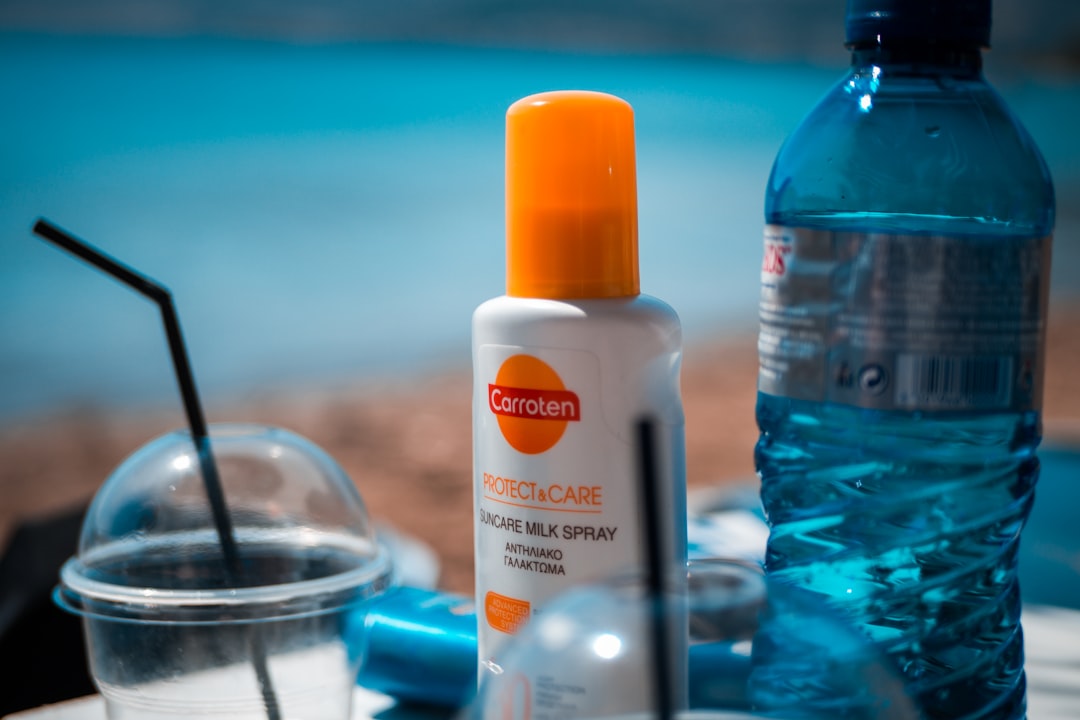
If you've spent any time in the sunscreen aisle recently — or down a Korean beauty rabbit hole — you've probably noticed that tinted SPF has become impossible to ignore. Cushion compacts, skin tints with built-in sun protection, BB creams claiming broad-spectrum coverage. The options are everywhere, and so is the confusion: Is tinted sunscreen actually protective? Is it makeup or skincare? And does the formula you choose really matter for your skin specifically?
These are questions our clients in Tysons, McLean, and Vienna ask regularly — especially those who have invested in laser, microneedling, or IPL photofacial treatments and want to protect their results with the same care they brought to getting them. The short answer is that both tinted and clear sunscreens can be excellent — but they aren't interchangeable, and the right choice depends on your skin concerns, your lifestyle, and what you're actually trying to protect against.
What Makes Tinted Sunscreen Different From Clear SPF?
The most important distinction isn't cosmetic — it's the iron oxide content. Tinted sunscreens derive their color from iron oxides, and those iron oxides do something that standard broad-spectrum chemical or mineral SPF cannot: they block visible light, specifically the high-energy visible (HEV) light spectrum, also called blue light, and the portion of visible light that triggers pigmentation in ways UV filters alone don't address.
This matters enormously for clients dealing with melasma, post-inflammatory hyperpigmentation, or stubborn brown discoloration that doesn't fully resolve after treatment. Multiple peer-reviewed studies — including research published in the Journal of the American Academy of Dermatology — have shown that iron oxide-containing tinted sunscreens outperform clear broad-spectrum SPF in reducing melasma relapse when used consistently. For anyone who has done the work with a Vi Peel Precision Plus or a series of CoolPeel Fractional Laser Resurfacing sessions to address sun-related pigmentation, this is not a small detail. It's the difference between protecting your results and watching them quietly undo themselves each morning during the commute.
Clear sunscreens — both chemical and mineral — block UVA and UVB effectively when properly formulated. What they don't block is the visible light component that reaches the melanocytes in deeper skin layers and stimulates melanin production independently of UV exposure. If you're sitting near a sunny window, working under indoor lighting, or simply going about a normal Northern Virginia workday, that exposure accumulates in ways many clients don't account for.
Is Tinted Sunscreen Makeup?
This is one of the most common questions — and the answer is nuanced. A well-formulated tinted sunscreen is a skincare product that happens to provide light coverage. It is not a foundation replacement, and it shouldn't be marketed as one. The tint in a medical-grade or Korean-formulated tinted SPF serves a functional purpose: the iron oxides and pigment particles that create the sheer color are the same components responsible for visible light filtration.
Korean tinted sunscreens in particular have earned a well-deserved reputation for advancing this category. Korean cosmetic formulation tends to prioritize elegance of texture alongside efficacy — which is why so many of our clients who have tried domestic tinted sunscreens and found them chalky, heavy, or difficult to blend have had a completely different experience with Korean-formulated options. Products like those from Skin1004, Beauty of Joseon, ISNTREE, and MISSHA apply more like a serum-skin hybrid, sit comfortably under other products, and don't disrupt makeup if you choose to layer. They provide a sheer, skin-evening finish that is genuinely skin-like rather than cosmetically obvious.
That said, a tinted sunscreen is not a substitute for foundation if you want actual coverage — and it is not makeup in the regulatory or formulation sense. It's SPF with a functional tint. The distinction matters because it affects how you layer it in your routine: it goes on after moisturizer, before any cosmetic color products, and it needs to be applied generously enough to deliver the stated SPF. Most people under-apply sunscreen significantly, and tinted formulas can make it tempting to apply even less because they're visible. A full quarter-teaspoon for the face is the clinical benchmark — enough that the coverage is real, not symbolic.
Which Formula Is Right for Tysons Skin?
The answer depends on what you're protecting against — and what treatments you've had or are planning.
If pigmentation is your primary concern — melasma, sun spots, post-treatment discoloration — a tinted SPF with iron oxides is the clinically stronger choice. This is especially true if you've undergone or are considering treatments like IPL photofacial, hyperpigmentation treatment, or a resurfacing procedure, where post-treatment sun protection is non-negotiable and the visible light component becomes a real variable in your recovery and maintenance.
If your skin is entirely clear of pigmentation concerns and your goal is straightforward UV protection — say, you're primarily focused on anti-aging, texture, or are in an active treatment phase where a lighter formula sits better under other products — a well-formulated clear SPF (mineral, chemical, or hybrid) is completely appropriate. There's no performance gap in UV protection between a clear and tinted formula when both are properly formulated and applied in sufficient quantity.
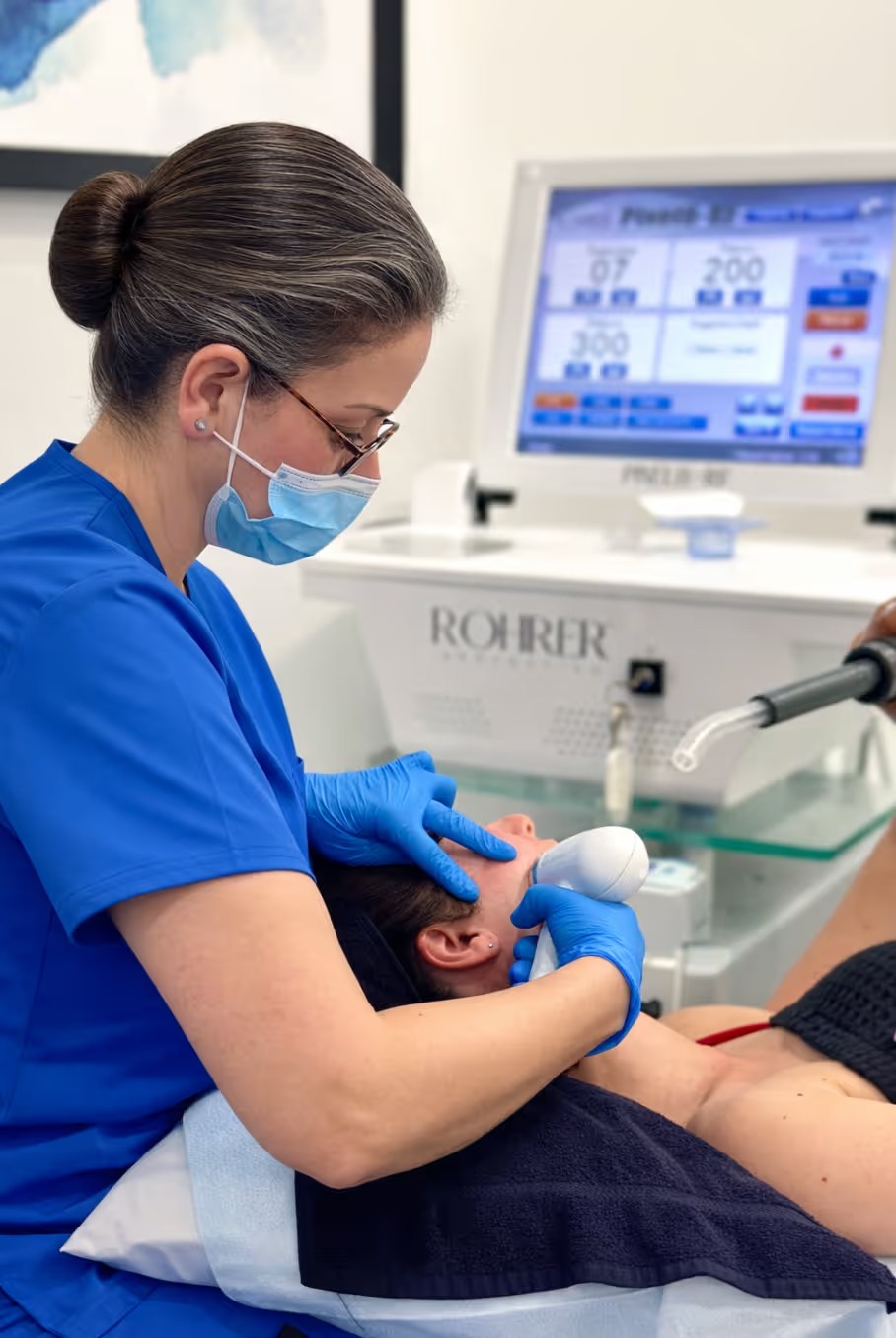
For clients who are post-procedure — particularly after Pixel8-RF radiofrequency microneedling or ablative skin resurfacing laser — the texture and ingredient profile of the sunscreen matters as much as the SPF rating. During early healing, mineral-based formulas are generally preferred because they sit on top of the skin rather than requiring absorption. As the skin restores, transitioning to a tinted mineral or hybrid formula adds the visible light protection that supports long-term pigmentation control.
The Northern Virginia climate adds another layer to this decision. Tysons and the surrounding area experiences meaningful UV index levels from March through October — the kind of sustained exposure that adds up quietly over years of client commutes, weekend errands, and outdoor lunches in Fairfax County. The clients we see who have the most consistent, long-term skin health are not necessarily the ones doing the most treatments. They're the ones who have made daily SPF — applied correctly, every single day — the non-negotiable foundation of everything else they do. As our team often says: the best treatment result is the one that holds.
How to Find the Right Sunscreen Near You in Tysons
If you've been searching for sunscreen recommendations from someone who actually understands your skin — not just a shelf at a drugstore — the most reliable place to start is a conversation with a licensed esthetician or medical aesthetic professional who knows your history. SPF selection in the context of a treatment plan is genuinely clinical. The formula that's right after a chemical peel is different from the one that makes sense for maintenance, and the option that works for fitzpatrick type II looks and performs very differently on deeper skin tones where iron oxide shades need to be matched carefully.
At Tysons Elite Esthetics, sunscreen guidance is part of how we approach every client relationship — not an afterthought, but a built-in part of the conversation about what your skin needs and how to protect what we're building together. If you've been managing your skin in isolation — buying whatever has the best reviews online, applying it sporadically, and hoping for the best — this is one of those areas where a single honest conversation can genuinely change what happens to your skin over the next decade.
You can also explore related reading on how we approach seasonal skincare transitions, summer skin recovery after sun exposure, and why at-home skincare alone has real limits — all of which provide context for understanding why daily SPF choice is part of a larger picture, not a standalone decision.
The right sunscreen for your skin in Tysons exists. It's worth finding it with someone who knows what they're looking at.
Start your transformation
Schedule your consultation with our knowledgeable and friendly team.